This article is part of the Chicken BBQ Academy by Fragedo, an editorial and educational project launched by TRANSAVIA, the market leader in poultry meat in Romania, together with INDUSTRIA CĂRNII.RO and EuroMeatNews.com. The series brings together the expertise of industry professionals, academics, and gastronomy experts to offer accurate, relevant, and easy-to-understand information about chicken meat quality, food safety, nutrition, sustainability, and barbecue culture.
Our special guest, Chef Flaviu Tothăzan, is the specialist who will give us valuable insights and culinary secrets to achieve a truly perfect chicken barbecue.
’’Every time someone asks me how I get such tender chicken on the grill, I’m surprised the question comes up so late. Because the answer doesn’t start next to the embers, but long before I light the fire. When we talk about a successful barbecue, almost all the attention shifts to the fire. We talk about the marinade, the spices, how hot the embers should be, or the moment you turn the meat. All of these matter, of course, but none of them is the true starting point for a proper barbecue.
In professional kitchens, you learn fairly quickly that technique can highlight a good ingredient, but it can rarely compensate for a poorly chosen one. That is why, for me, grilling always starts in front of the store shelf, not next to the embers! That is when I make the decisions that dictate much of the result I’ll get a few hours later. Not because I’m looking for perfection, but because I’ve learned to recognize those details that make the difference between meat that cooks beautifully and meat that forces you to improvise along the way.
The first thing I look at is the appearance of the meat. I like to see a clean, uniform, and slightly glossy surface—a natural sign of freshness. A little moisture is normal, but I avoid pieces that look cloudy, sticky, or uneven. You don’t need a butcher’s experience to notice these differences. Most of the time, looking closely for a few seconds before putting the product in your cart is enough. When it comes to chicken, I pay just as much attention to the size of the pieces. It seems like an unimportant detail until the moment you start cooking. If pieces of very different thicknesses end up on the grill, each will cook at its own pace. While one is already browned and starting to lose its juiciness, another still needs a good few minutes. Instead of enjoying the cooking process, I end up constantly moving meat from one area of the grill to another.
I appreciate Fragedo products precisely for their consistent quality and the precision with which they are portioned. Whether I choose Fragedo Bucăți Fragede (Tender Pieces) when I’m cooking less, or Fragedo Porții Generoase (Generous Portions) when I know more friends are gathering around the table, the pieces are similar in size and well-trimmed. For me, that means they will cook evenly, allowing me to focus my attention on the fire and flavor, not on the discrepancies between pieces.’’
What a Chef looks for before buying chicken for the grill
- Clean, uniform, and slightly glossy appearance;
- Pieces of similar thickness;
- Minimal liquid in the packaging;
- Intact packaging with no punctures or leaks;
- Expiration date and recommended storage temperature;
- Well-trimmed meat with minimal skin, tendons, and excess fat.
However, there is one detail many people overlook, which tells me quite a lot about how the meat will behave on the grill: the amount of liquid in the package. It is perfectly normal for fresh chicken meat to release a little water, as it is part of its natural structure. However, when there is a large amount, I already know the first thing that will happen on the grill isn’t browning, but steaming. Instead of quickly getting that fine crust that seals the juices inside, the meat starts to boil in its own moisture, losing the very texture I am trying to build. High-quality chicken meat with well-developed muscle fiber retains water better during cooking, and the difference shows on the grill, in the pan, and on the plate.
The packaging is just as important. I check it almost instinctively because it is as much a part of the product as what’s inside. It must be completely intact: a peeled film, a puncture, or a leak alters the conditions in which the product is stored and is reason enough to choose a different tray. Fresh Fragedo chicken meat is packed in a protective atmosphere—a controlled environment that helps preserve freshness throughout its shelf life. A controlled mix of gases naturally found in the air we breathe replaces the air inside the tray, slowing down the natural processes that cause fresh food to lose its quality. That is why the tray might sometimes look slightly bloated. It is actually a result of how the packaging system works and one of the reasons the product maintains its quality until its expiration date, provided the seal remains completely intact.
Only after going through all these steps do I turn my mind to what most people consider the beginning of the story: the marinade.
The marinade doesn’t fix a bad choice; It enhances a good one
This is perhaps one of the most widespread cooking myths: if you have a good enough marinade, you can turn any piece of meat into a memorable dish. In reality, that’s not how it works. A marinade’s job isn’t to hide or fix the quality of the meat, but to enhance its flavor and texture. That’s precisely why I always prefer simple combinations where the ingredients complement the meat rather than overpowering it. I’m not interested in creating a flavor so intense that, in the end, you can’t tell what you’re eating. If the main ingredient gets lost behind the spices, we lose the very thing we set out to highlight.
When it comes to chicken, a few well-chosen ingredients are enough: salt is essential, both for taste and for how it affects protein structure and the meat’s ability to retain juices while cooking. Lemon zest brings freshness without dominating the dish, freshly ground pepper adds depth, and aromatic herbs subtly complement the chicken’s natural flavor.
Chef Flaviu’s Marinade
For 1 kg of chicken meat:
- 2 teaspoons of salt
- Grated zest of 1 lemon
- 1–2 tablespoons of lemon juice
- 1 tablespoon of olive oil
- Freshly ground black pepper
- A twig of finely chopped rosemary
(The rosemary can be replaced with thyme, oregano, or basil, depending on the dish you are making.)
Patience makes all the difference
I am often asked how long the meat should be left to marinate, as if there were a magic number. The truth is, the time should adapt to your schedule. If I decide to grill at the last minute, thirty to forty minutes are enough for the salt and flavors to start working. But if I know in advance that I’m going to cook, I prefer to prepare everything the night before and leave the meat in the fridge overnight. Not only because the flavors have more time to blend, but also because barbecue day should be spent with the people at the table, not running around the kitchen!
There is one thing I am careful about when using lemon, though: if I marinate the meat for many hours, I prefer to rely mostly on the zest, adding part of the lemon juice right at the end. Too much acid left for too long can alter the surface texture of the meat, which is something you want to avoid.
How long should I marinate the meat?
- Overnight in the fridge: When I want to prepare everything in advance. In this case, it is recommended to use lemon zest and reserve some of the juice for serving.
- 30–40 minutes: When the decision to grill is spontaneous.
A barbecue is legendary when loved by your guests
I love to cook and create my own marinades, but there are times when I want grilling to mean less time in the kitchen and more time outside around the fire.
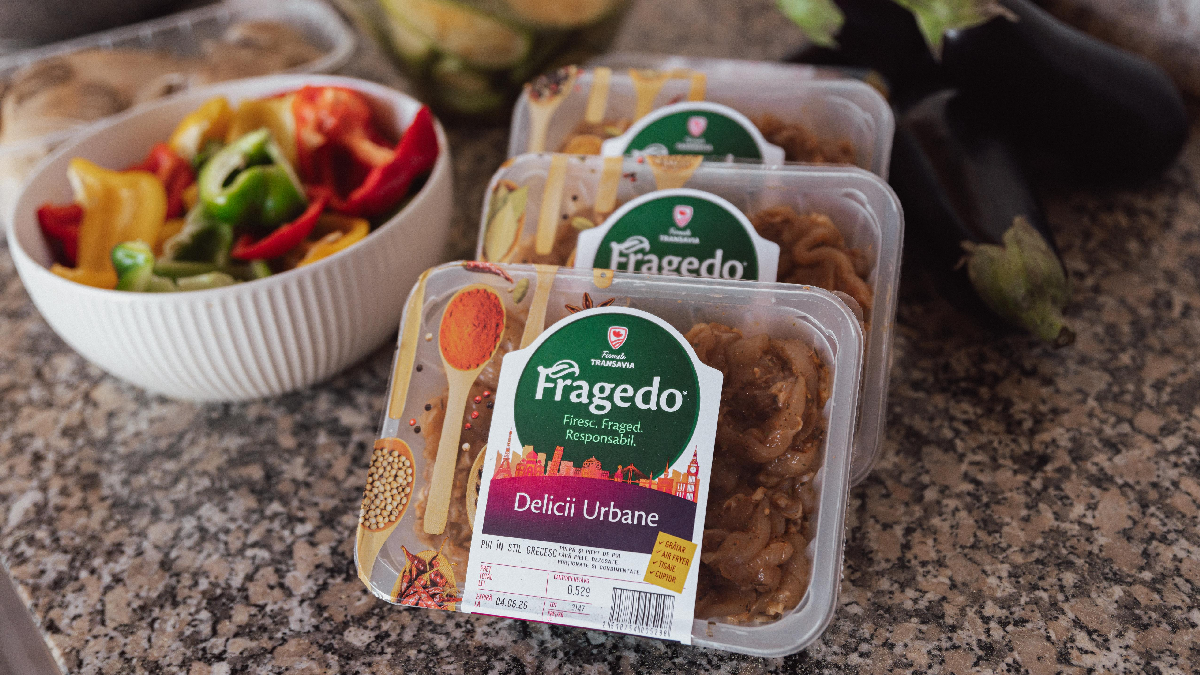
In those situations, I choose pre-seasoned products from the Fragedo Delicii Urbane range. What I like about them is that the flavors are balanced and each option has its own personality without masking the taste of the meat. If I’m in the mood for something bold, I choose the Buffalo Wings. For a family BBQ, the Chipolata Chicken Sausages work great. When I want flavors inspired by different cuisines, I go for options like Shawarma, Lebanese-style Chicken, Greek-style Chicken, or Tikka Masala, which I cook on a flat-top grill disc because they come pre-portioned, allowing the strips of chicken breast and thigh to brown perfectly.
I love that the hardest part—the seasoning—is already done, so I can focus on the fire and making sure the meat turns out just right.
After all, the goal of a barbecue isn’t to show off how complicated your cooking can be, but to get a great result and have time to enjoy the people you share it with.
Tips & tricks for a successful chicken barbecue
- Control the heat, not the flame: Chicken cooks best over medium, constant heat. High heat browns the exterior quickly but can leave the inside undercooked, especially with thighs, wings, and drumsticks.
- Every cut has its own timing: Chicken breast cooks quickly and requires attention to stay tender, whereas thighs, wings, and drumsticks benefit from longer grilling times, allowing fat and collagen to render for a richer flavor and juicy texture.
- Skin adds flavor and texture: On skin-on cuts, the skin protects the meat during cooking, holds the juices inside, and forms a crispy, golden crust.
- Don’t flip the meat too often: Leave each piece on the grill long enough to brown evenly and develop those distinct open-fire flavors. Frequent flipping can prevent a crust from forming and cause the meat to lose its natural juices.
- Internal temperature makes all the difference: For consistent, safe results, the internal temperature at the center of the meat should reach at least 74°C (as recommended by international food safety standards). A food thermometer is your most reliable tool for a successful barbecue.
- Let the meat rest: Allowing the meat to rest for two to three minutes after taking it off the grill helps redistribute the juices throughout, keeping every bite tender and juicy.
- Balance the flavors: Well-seasoned or mildly spicy dishes pair wonderfully with fresh side dishes and yogurt-, herb-, or citrus-based sauces, which bring freshness and complement the chicken.
- Start with quality ingredients: A successful barbecue begins before lighting the fire. The quality, freshness, and traceability of the chicken play a decisive role in the final result. Starting with proper ingredients allows your cooking technique and seasonings to reach their full potential.
By Chef Flaviu Tothăzan