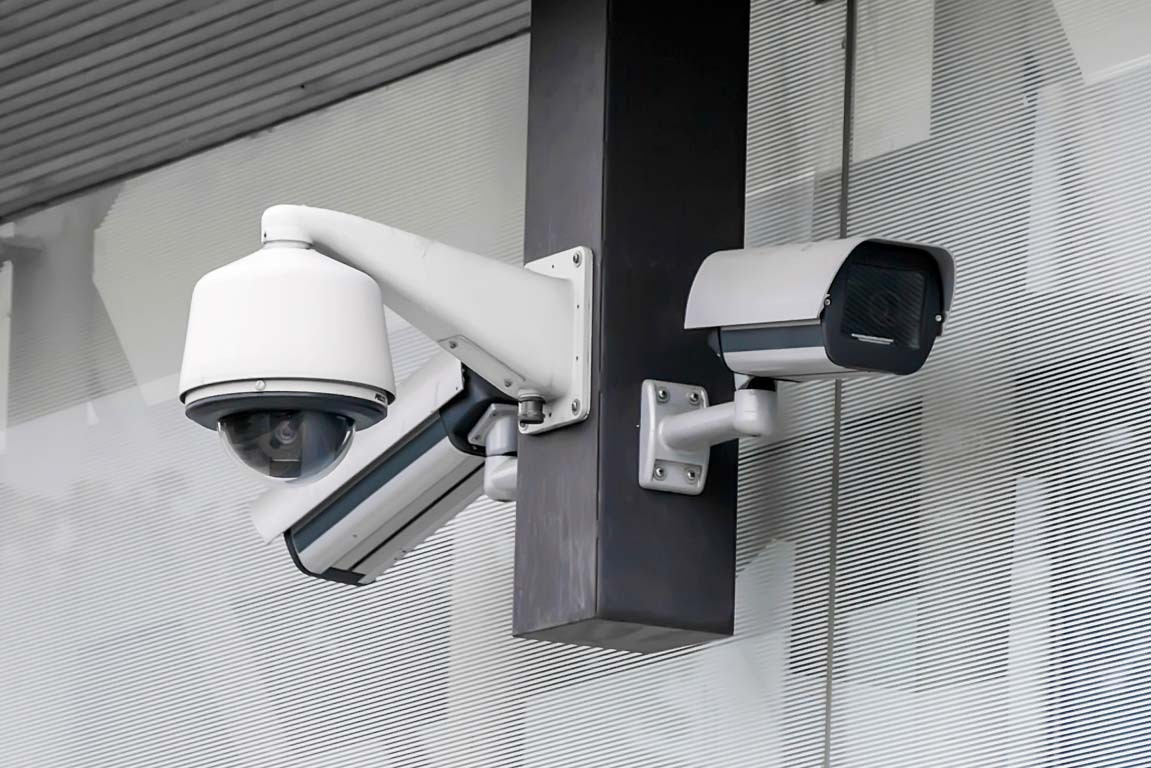
The Committee on Agriculture, Food and Home Affairs approved a draft law from the federal government on Wednesday mandating video surveillance in larger slaughterhouses. The approved version also includes amendments to the Animal Husbandry Labeling Act.
A motion by the Left Party for a more comprehensive reform of the Animal Welfare Act failed to gain a majority in the committee.
The coalition parties CDU/CSU and SPD voted in favor of the bill. The AfD and The Left abstained, while the Greens voted against it.
According to the draft legislation, slaughterhouse operators will be required to record the slaughter process with clearly visible cameras. The recording will cover everything from unloading the animals to dressing, scalding, or hanging. The recordings will be stored for 30 days. This is intended to allow authorities to better monitor compliance with animal welfare regulations.
The slaughter of draft animals and smaller farms that are not required to appoint an animal welfare officer will be exempt from this requirement. According to the press release, this applies to farms with fewer than 1,000 livestock units of mammals or fewer than 150,000 poultry or rabbits per year. In cases of suspected animal abuse, even smaller farms may be required to use video recording.
An amendment proposed by the coalition parties stipulates that the date and time must be clearly displayed when recordings are played back. The changes to the Animal Husbandry Labeling Act primarily concern the notification of housing facilities. In the future, farms will only be required to report this for the housing systems ” barn + space ,” “open-air barn,” and “outdoor/pasture .” The reporting requirement will be eliminated for barn and organic systems ; furthermore, the authorities’ monitoring powers will be restricted in these cases.
The coalition parties welcomed the draft. The SPD pointed out that while the amendment would not cover the majority of farms, it would cover 90 percent of the animals. Furthermore, it advocated for the use of artificial intelligence in evaluating the recordings. The CDU/CSU justified limiting the measure to larger farms by arguing, among other things, that smaller farms have a greater incentive to implement animal welfare measures for marketing reasons.
The Greens criticized the fact that many slaughterhouses were not monitored and demanded greater transparency regarding slaughterhouses. They also advocated for public access to the surveillance videos. The Left Party considered further clarifications to the draft necessary and criticized the fact that the amendments to the Animal Husbandry Labeling Act were linked to the proposal. The AfD viewed the planned video surveillance as a blanket suspicion of slaughterhouses. They also criticized the fact that the draft did not include a time limit for the measure, which would allow for an initial evaluation of its effectiveness.
According to the agenda, the final discussion of both proposals in the Bundestag plenary session is scheduled for Thursday, November 5, 2026.