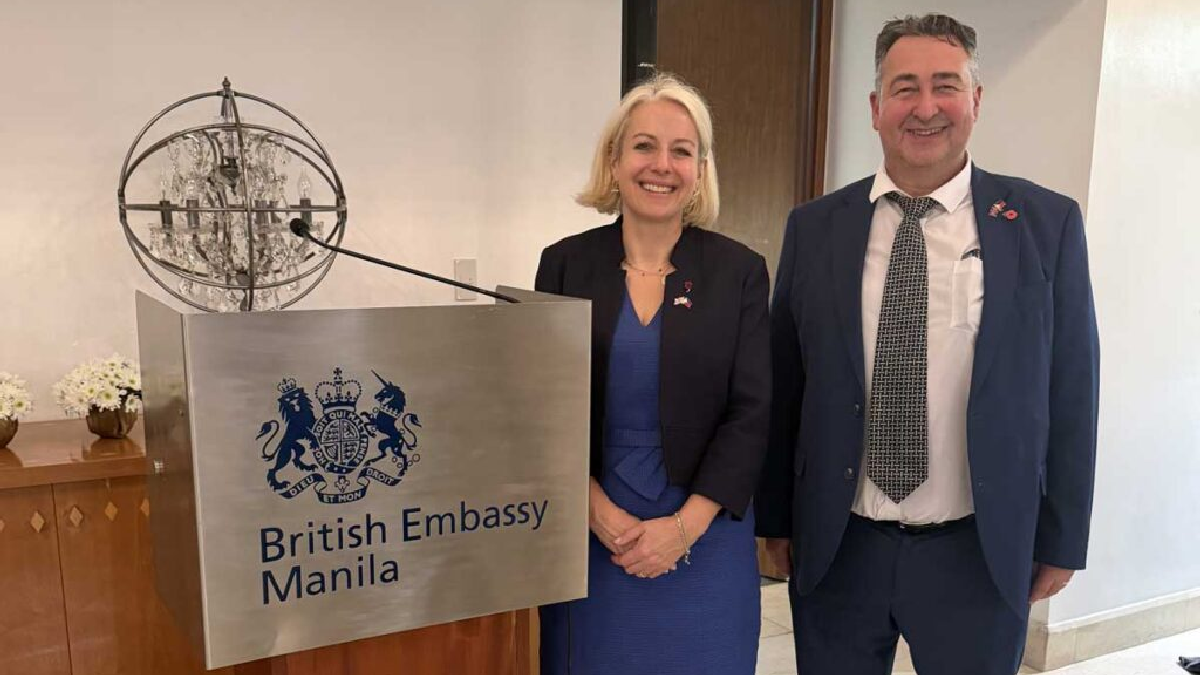
BMPA Chief Executive John Powell recently joined UK Government Ministers, Defra officials and industry representatives on a trade mission to Vietnam and the Philippines, securing important progress on market access for British meat products and strengthening relationships with the policymakers responsible for supporting UK exports.
The recent trade mission to Hanoi and Manila delivered four significant developments for British meat exporters, including new market access for animal proteins, progress towards opening the Vietnamese beef market and an important agreement protecting trade with the Philippines in the event of an African Swine Fever outbreak.
The visit also provided the opportunity to spend meaningful time with Ministers and senior Defra officials, discussing the practical realities of running a British meat processing business and what Government can do to help the sector grow.
John Powell was joined by representatives from BMPA member companies, whose participation BMPA had helped secure, giving businesses the opportunity to put their own experiences and concerns directly to policymakers.
Four important steps forward for British meat exports
The mission delivered tangible progress on four key trade priorities, creating new opportunities for British processors and helping to remove some of the barriers that have restricted exports to Southeast Asia.
In Vietnam, three important developments were secured:
- Opening the market for British animal proteins. This provides a valuable new export outlet for animal by-products arising from meat production, helping processors maximise the value of each animal and develop new revenue streams.
- The opening of formal discussions on access for British beef to the Vietnamese market, building on the UK’s recognition by the World Organisation for Animal Health (WOAH) as having negligible risk status for Bovine Spongiform Encephalopathy (BSE). This represents an important step towards securing access to a potentially valuable market for British beef.
- The start of formal negotiations to revise Vietnam’s classification of pork products, with the aim of overcoming existing trade restrictions and improving market access for UK pork exporters.
Meanwhile, in the Philippines, the adoption of a regionalisation agreement with the UK represents a significant safeguard for existing meat trade. Under the agreement, exports from unaffected areas of the UK can continue under agreed conditions in the event of an animal disease outbreak such as African Swine Fever rather than trade necessarily being halted across the whole country.
Together, these developments demonstrate the value of sustained engagement between industry and Government in tackling the regulatory and technical barriers that can prevent British businesses from realising their export potential.
Unlike the brief conversations that often characterise meetings in Westminster, the mission provided time over several days for more detailed, informal discussions, allowing industry and Government representatives to explore issues together, build relationships and develop a better understanding of each other’s priorities.
Connecting domestic policy with export ambitions
Alongside these export achievements, BMPA was also able to reinforce the message that Britain’s ambitions to grow its food exports cannot be separated from the challenges facing the industry at home.
Discussions covered some of the most pressing issues for meat processors, including ongoing workforce shortages, declining UK livestock numbers, the cumulative burden of regulation and the potential impact of Defra’s recent consultation on the future use of CO₂ for the stunning of pigs.
BMPA has already raised concerns about the evidence underpinning the CO₂ proposals and their potential consequences for British meat production. The trade mission provided another opportunity to explain these concerns directly to the officials and Ministers responsible for shaping policy.
But these were not simply discussions about individual regulatory issues. John Powell was able to demonstrate how decisions affecting domestic production, processing capacity and business investment ultimately influence the industry’s ability to compete internationally. He made the case for a more joined-up approach to Government policy that supports domestic competitiveness and fosters export growth.
Showcasing British meat in Hanoi
The mission also offered an important platform to promote the strengths of British meat. At a major trade seminar in Hanoi, John delivered a presentation showcasing British meat and the characteristics that define the UK meat industry, highlighting the qualities and capabilities that British processors can offer international buyers.
Vietnam offers considerable potential. According to research presented to the delegation by market advisory firm Stratburg, the country imported close to US$7 billion of meat, seafood and dairy products in 2025, while expenditure on meat imports increased by more than a third during the first half of 2026.
However, the opportunity comes with intense competition from established international suppliers. To capitalise on this market access, British exporters need to differentiate their products through quality, provenance and reliable commercial relationships.
Turning conversations into action
The market access breakthroughs achieved during the mission provide a stronger foundation for British meat exporters to build commercial relationships and develop new business in Southeast Asia.
The next challenge will be working with Government officials to address the remaining technical and regulatory barriers that can stand between commercial interest and actual export sales.
For BMPA members, the value of the mission extends well beyond the prospect of additional export sales. It’s about having their concerns heard at the highest levels, bringing industry expertise directly into policy discussions and helping Government understand what British meat processors need to compete and thrive.