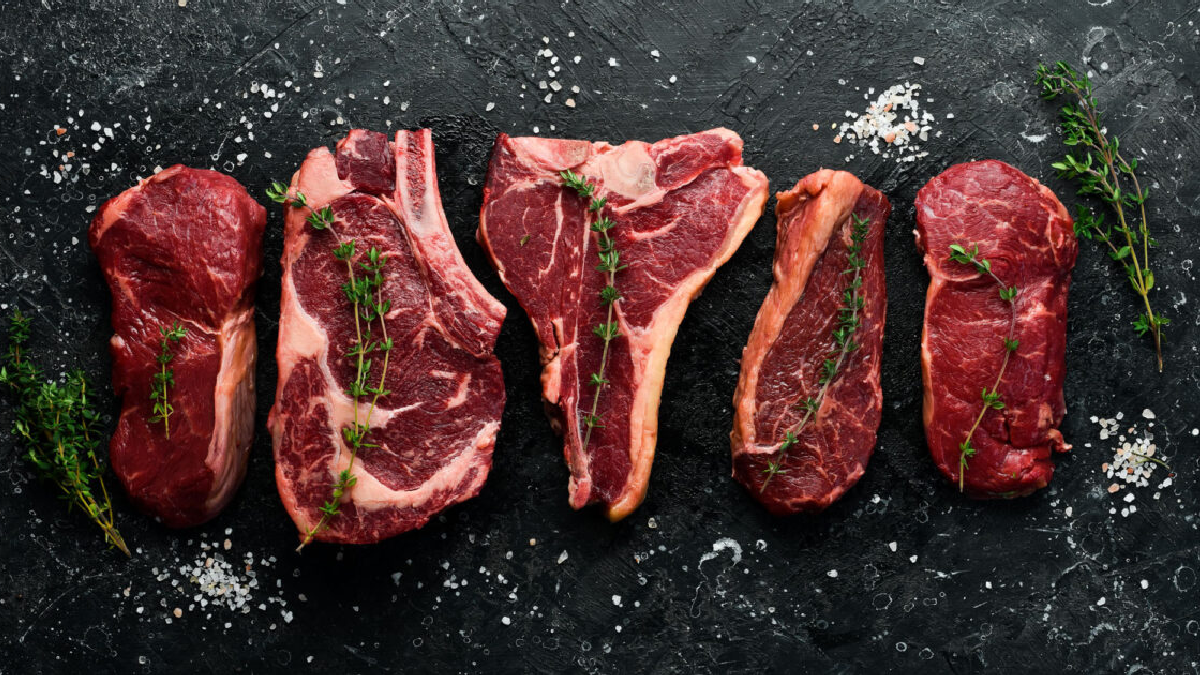
Reduced cattle and sheep slaughterings have continued throughout 2026, according to AHDB. Despite lower prime cattle throughput, heavier carcase weights have helped maintain UK beef production broadly in line with last year.
In contrast, a sharper fall in sheep slaughterings during Q3 has led to lower lamb production, although higher carcase weights have partially offset the decline in available stock.
Beef production remains stable despite lower cattle throughput
UK beef production during Q3 totalled 219,000 tonnes, up 0.8% year-on-year (YoY). While overall output has changed little, monthly performance was mixed. July and August production increased by 3% and 5% respectively, before falling 5% in September as fewer cattle came forward for slaughter.
This has kept UK beef production relatively stable in 2026, with YTD (January to September) output increasing by 0.4% compared with the same period last year.
Prime cattle slaughterings have continued to trend lower throughout 2026. During Q3, throughput declined by 0.7% (3,300 head) compared with the same period last year, driven by a particularly low September kill. This brought YTD prime cattle slaughterings to 1.48 million head, down 24,000 head (1.6%) on the same period a year ago.
Heifer slaughterings fell compared with 2025, potentially indicating some retention of breeding females. Increased use of sexed beef semen on dairy dams may also be contributing to lower female animal availability.
Cow slaughterings (including dairy), were down by around 11,000 head during the first nine months of the year.
In contrast, young bull slaughterings increased by approximately 8,000 head (+5.3%), while steer slaughterings declined by around 17,000 head (-2.4%). This may suggest an increase in cattle being finished entire.
Despite lower cattle availability, beef production has been supported by heavier carcase weights. During Q3, average prime weights strengthened to around 356kg/head. This brings prime cattle carcase weights to average 355.2kg/head during the first nine months of the year, an increase of 9.2kg (2.7%) compared with 2025.
Several factors have likely encouraged producers to finish cattle to heavier weights. Strong calf and store cattle prices have increased replacement costs, while relatively affordable feed and firm deadweight prices have improved returns from adding extra weight before slaughter. In addition, tight cattle supplies may have given some scope for heavier cattle to be marketed.
Lower sheep throughput weighs on lamb production
UK sheep meat production declined during Q3 as lower slaughter throughput outweighed heavier carcase weights.
Production fell by 2,000 tonnes (-3%) during Q3 to 62,600 tonnes. As a result, YTD sheep meat production was down 1.1%, equivalent to around 2,200 tonnes.
The decline was primarily driven by lower clean sheep slaughterings. Estimated throughput during Q3 fell by 6% YoY to 2.6 million head. The sharper decline in Q3 brought YTD clean sheep slaughterings down 3.4% (-282,000 head) to 8.1 million.
Heavier carcase weights partially offset the reduction in lamb availability. During the first half of 2026, average clean sheep weights reached 21.1kg/head, around 300g higher YoY. However, weights increased further during Q3 to average 20.4kg/head. This means YTD carcase weights remain an average of 400g above 2025 levels at 20.9kg/head.
Adult sheep slaughterings have also continued to decline, falling 6% YoY in Q3 to 343,000 head. Combined with declines of 9% in Q2 and 2% in Q1, this brought YTD adult sheep slaughterings to 970,000 head, 5% below the same period last year.
The reduction reflects both longer-term and short-term factors. A shrinking national breeding flock continues to limit the availability of finished lambs and cull ewes, while disease and weather challenges, lately bluetongue, further affects supply. Strong sheep prices may also be encouraging producers to retain breeding stock.
Availability is expected to remain tighter for both cattle and sheep into next year, meaning carcase weights and producer finishing decisions will continue to play an important role in determining overall meat production levels through the remainder of 2026 and into 2027.
However, for the beef sector, herd inventory and calf registration figures suggest that suckler-driven herd reductions are slowing. The picture is mixed regionally, but a sign of overall stabilisation to come? We will continue to monitor and analyse these trends as part of our supply forecasting work.