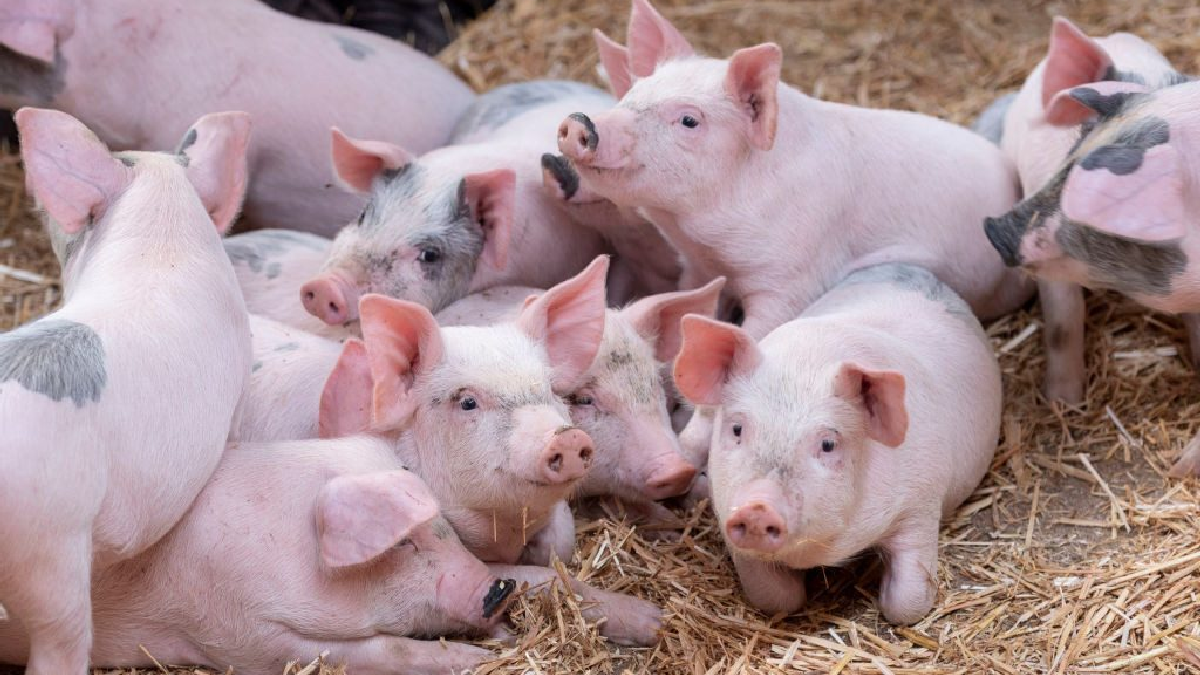
The VEZG price for slaughter pigs is currently at an extremely low level of €1.32/kg carcass weight, informs ISN.
The VEZG price has been hammered last week by another 8 cents from its already disastrous level, now reaching €1.32 per kilogram of carcass weight. While the EU market is under pressure and the entire supply chain is reacting with strain, the already precarious situation for pig farmers has been exacerbated. They are already missing around €30 per animal in variable costs, and around €70 in total costs. The current crisis also underscores the urgent need for reliable supply contracts, new pricing models, and political support. Wholesalers and the food service industry must finally commit to domestic production.
The entire pork market is under immense pressure, and the situation along the value chain is extremely tense. Market participants are reacting accordingly – in many places, everyone seems primarily concerned with protecting their own interests. However, even in a difficult market situation, it is unacceptable to so shamelessly pass on the price pressure all the way down to the producer level.
The VEZG price fell by another 8 cents on Wednesday to €1.32 per kilogram of carcass weight. A large supply of live pigs, subdued demand, and sluggish meat sales, particularly in exports, are characterizing the market. The situation is becoming increasingly dire for pig farmers: variable costs alone are resulting in a loss of around €30 per pig. Considering all costs, the deficit amounts to approximately €70 per animal.
While medium-sized slaughterhouses largely advocated for unchanged prices, market leaders, threatening to reduce production volumes, insisted on lower prices. Ultimately, the price could not withstand this pressure.
Whether the price reduction can actually revive the meat trade is doubted by medium-sized slaughterhouses. Demand is sluggish, and meat sales are stagnant. At the same time, the market remains well supplied with slaughter pigs. A lower price alone does not create additional sales opportunities – it primarily exacerbates the economic hardship of producers.
Even when only variable costs are considered, pig farms are losing around €30 per pig. In other words, even if the barn and labor were provided to the farmer free of charge – a completely unrealistic scenario – there would still be a loss of approximately €30 per animal. Considering all costs, the deficit amounts to around €70 per pig. After months of insufficient revenue, many farms have hardly any financial leeway left.
The current situation also demonstrates the importance of discussing minimum standards in supply contracts. We need clear and unambiguous regulations – for example, regarding the acceptance of pigs – so that the weakest link in the chain, the pig farmers, are not so easily exploited in such market phases, preventing prices from being driven down further. Currently, the mere threat of quantity reductions by slaughterhouses is often enough to put further pressure on prices , laments ISN Managing Director Dr. Torsten Staack. At the same time, we also need new pricing models that better reflect the complexity of the various markets and better compensate for the incalculable risks of the market – for all contracting parties!
Market players in the food service and wholesale sectors must finally commit to domestic production! Unlike in the food retail sector, high domestic standards still seem to play only a minor role here, with low prices being the sole deciding factor. Only by closing the gap in standards between the key sales channels of food retail and food service can the disruption of the pork value chain ultimately be prevented.
Politicians must ask themselves how much more time they are willing to give themselves to finally help pig farmers in Germany. Why is the tax-free risk equalization reserve still not in place to provide pig farmers with something effective, at least in terms of securing their liquidity? asks the ISN managing director.
If domestic production continues to be under such pressure as it is now, the structures along the entire value chain will collapse within a very short time. The focus now must be on preserving these structures and securing a future for the farms. Without economically viable production, the foundation for domestic pork production is lacking. This is the exact opposite of the much-discussed food security in Germany!