




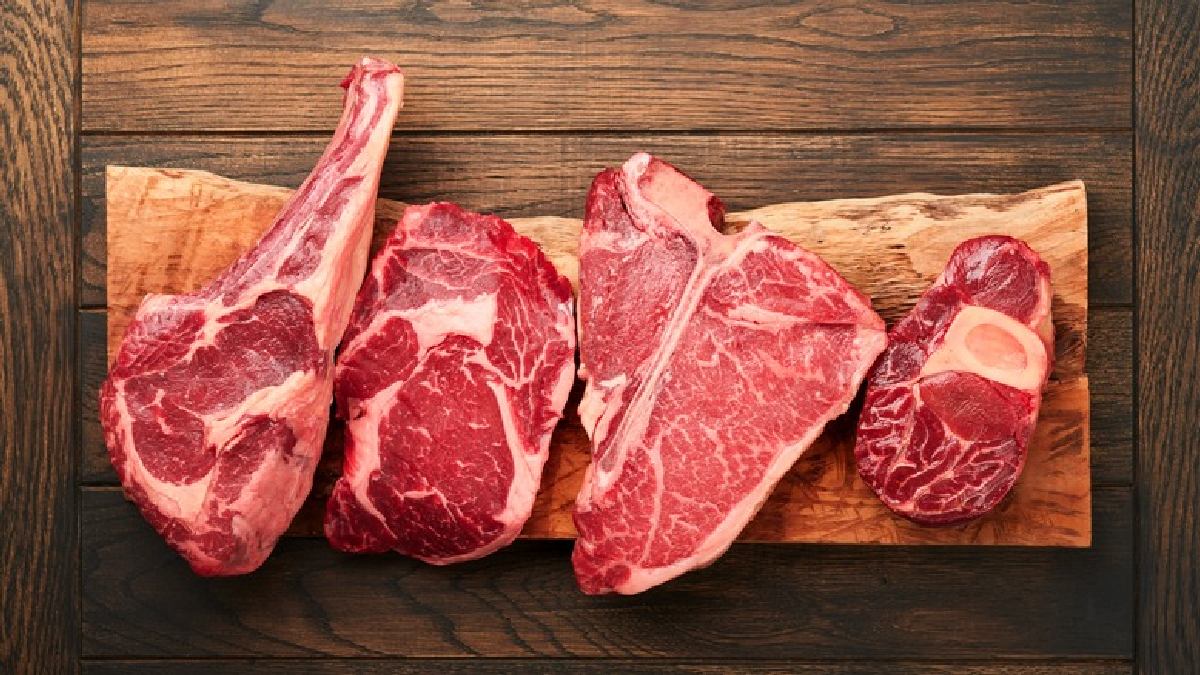
The Gulf countries import up to 90% of their certified meat. This growing demand is driving business for suppliers who can meet stringent standards.
Demand for Halal-certified beef continues to expand in the Middle East, solidifying its position as one of the most attractive markets for global exporters. During 2025, Gulf countries increased their imports to feed a growing population, while suppliers like Brazil saw significant increases in their exports. This trend is significant because it involves a high-value market with a strong reliance on imports and specific requirements that could generate new opportunities for the global livestock supply chain.
According to specialists in Halal markets, the countries that make up the Gulf Cooperation Council (GCC), consisting of Saudi Arabia, the United Arab Emirates, Kuwait, Qatar, Oman and Bahrain, depend on imports to cover between 70% and 90% of their consumption of certified meat .
Limited local livestock production, adverse weather conditions, and sustained population growth explain much of this external dependence. Added to this are the increase in tourism and urban development, factors that continue to drive the consumption of animal protein.
Saudi Arabia leads a market with growing demand
Saudi Arabia accounts for approximately 60% of total meat consumption within the Gulf bloc , positioning itself as the main destination for exporters seeking to enter the Halal market.
Data from international organizations indicate that per capita meat consumption exceeds 65 kilograms annually , one of the highest levels in the region. The preference for products certified under Halal standards is predominant, both in supermarkets and in restaurants, hotels, and distribution chains.
To access these markets, exporters must meet strict certification, traceability, and slaughtering process requirements adapted to Islamic religious principles. These demands have become both a barrier to entry and a competitive advantage for countries that consistently meet them.
According to industry specialists, Halal certification has ceased to be merely a religious requirement and has become an attribute associated with quality, food safety, and trust for millions of consumers.
Brazil is among the main beneficiaries of this expansion. International trade reports show that during the second quarter of 2025, Brazilian beef exports to the Middle East increased by 41% , driven by growing regional demand and the country’s ability to meet the required standards.
Along with Brazil, countries like Australia and India also occupy prominent positions in the supply of Halal meat for the region.
The growth of this market is creating new opportunities for Latin American exporters, especially those seeking to diversify destinations and reduce their dependence on traditional markets.
The outlook remains favorable. Population growth, rising incomes, and the expansion of the tourism sector in the Middle East are sustaining demand that continues its upward trajectory.
For the international livestock industry, the challenge lies in combining production capacity, logistical efficiency, and recognized certifications. Those who meet these requirements will have a greater chance of participating in a business that moves billions of dollars annually and continues to expand its influence within the global food trade.



Recent Comments