INTERPORC, the Spanish Interprofessional Agri-food Organisation for White Pork, is continuing to strengthen the presence of Spanish pork products in the Philippines, a market considered strategically important for the international expansion of the Spanish pork sector.
The organisation has used gastronomy as one of the main tools for promoting Spanish pork, combining commercial activity with culinary demonstrations, tastings and meetings between Spanish exporters and Philippine importers, distributors, chefs and food-industry professionals.
The Philippines is a particularly relevant market for Spain because the country is not self-sufficient in meat production and has traditionally shown a strong appreciation for Spanish culture and gastronomy. INTERPORC has therefore focused part of its promotional activity on culinary events and initiatives designed to highlight the quality, versatility and gastronomic potential of Spanish pork products.
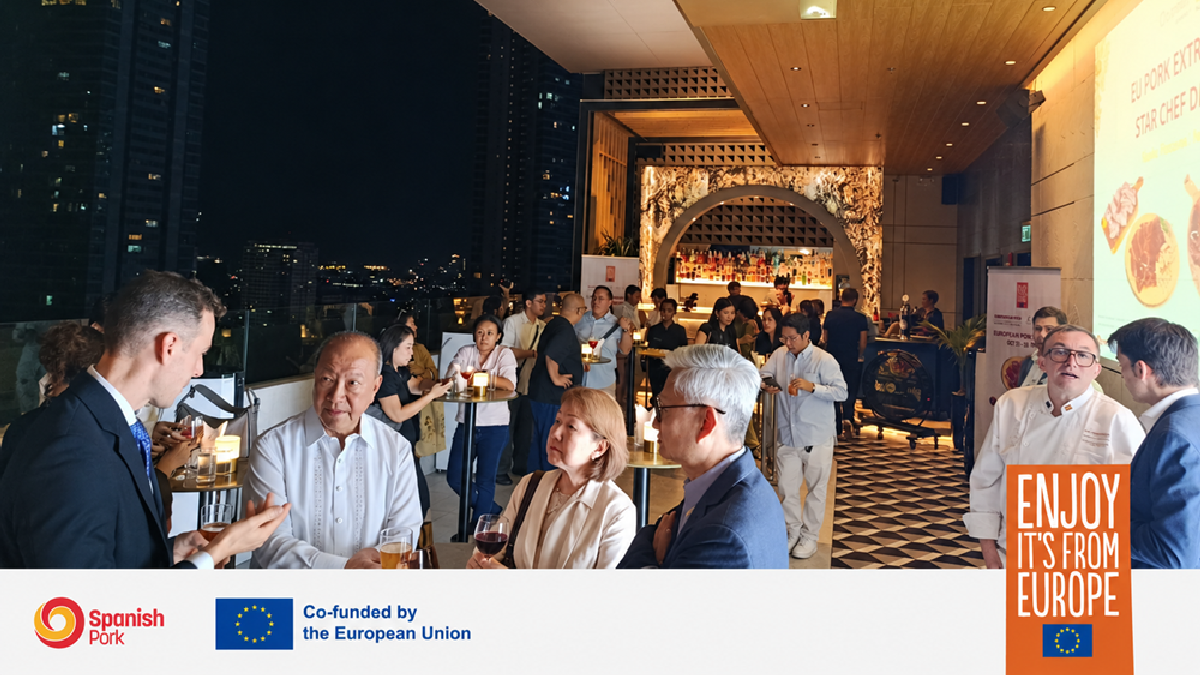
At events held in Manila, Spanish pork has been presented through Spanish-Filipino fusion cuisine, ham-cutting demonstrations and tastings. These activities have also served as meeting points between Spanish exporting companies and leading Philippine importers and distributors, with the aim of developing new commercial relationships.
The Philippine market has become increasingly important for Spanish pork exports. In 2023, Spain was the leading pork supplier to the Philippines, exporting 144,891 tonnes worth €271.56 million, accounting for approximately 24.4% of the country’s total pork imports.
INTERPORC has continued to expand these initiatives. In 2025, it participated in WOFEX Manila and promoted Spanish pork both through a joint Spanish-company pavilion and through the European campaign “EU Pork, The Smart Choice.” The programme included retail promotions, tastings and the event “Spain on a Plate,” attended by Spanish exporters, Philippine importers, culinary influencers and media representatives.
According to INTERPORC, the objective is not only to promote Spanish pork as a food product, but also to associate it with quality, food safety, traceability, sustainability and Spanish gastronomic culture, while creating concrete export and business opportunities in Southeast Asia.