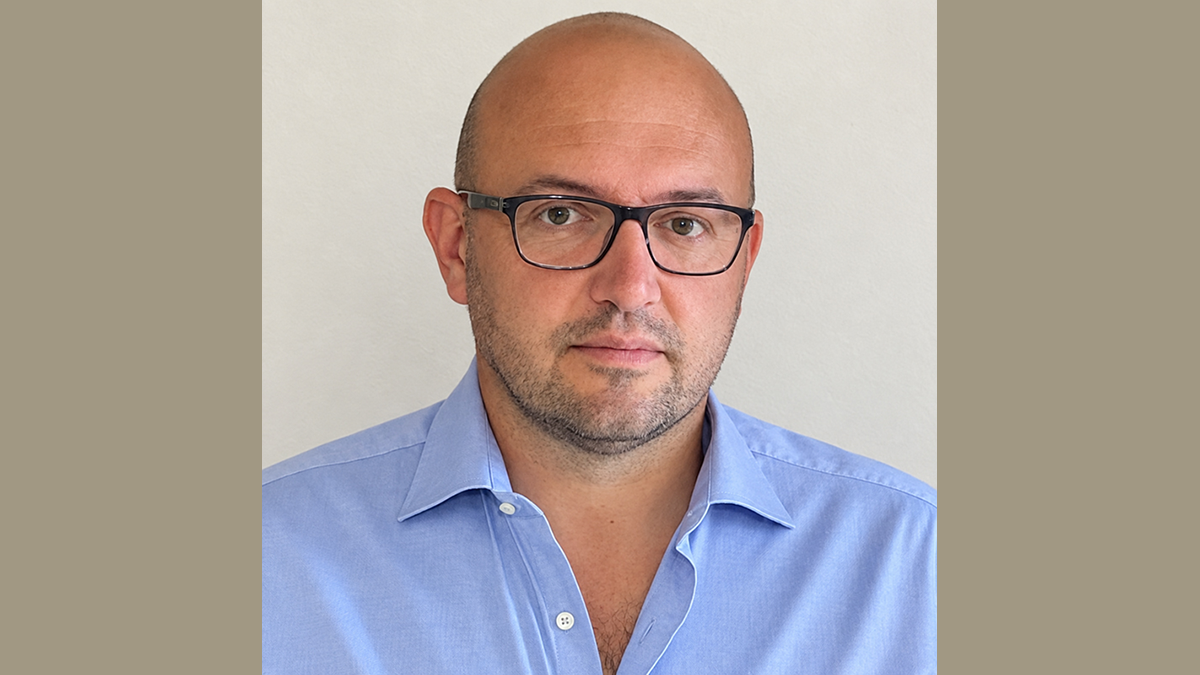
The new president of Assosuini outlines his priorities for the mandate: collegiality, combating ASF, investment in livestock farms, representation in consortia, and revitalizing cooperation.
Andrea Cristini is the new president of Assosuini. In this interview, he presents his priorities for the next three years: a more collegial governance of the Association, the fight against African swine fever, investment support, greater representation of farmers in consortia, and revitalizing cooperation within the supply chain.
Andrea, what do you think should be done in the next three years to relaunch Assosuini and the sector?
The next mandate will need to be more collegial. We also discussed this during the Board meeting that preceded my appointment, and there is a shared desire to involve all the directors more closely, assigning specific responsibilities for various issues. We must continue the work already underway and, at the same time, build a strategy capable of offering a secure future to Italian pig farming.
What are the emergencies we should start from?
We cannot lower our guard against African swine fever, which continues to be present in Italy, as demonstrated by the recent outbreaks in Lazio. We must continue to work on biosecurity and prevention, but also ensure rapid responses to farmers who have suffered damage. Some businesses are still awaiting the compensation provided by the Ministry and the Government: this situation must be resolved.
You mentioned the need for a “Marshall Plan” for pig farming. What do you mean?
A major plan is needed to revitalize and modernize Italian pig farming. In other livestock sectors, starting with dairy farming, through the Rural Development Programs (RDPs) and other forms of public support, it has been possible to restructure farms, improve animal welfare, and make farms more modern and sustainable. Today, we see new, brightly lit barns with ample space and improved conditions for the animals. This model is also appreciated by consumers. We must create the conditions to make the same path possible in pig farming.
Another issue is the representation of breeders within the protection consortia.
Farmers are the cornerstone of PDO production, providing the raw materials needed to make hams and other protected products. However, they still lack adequate influence within the Consortia. In the Parma Ham Consortium, for example, the farming sector essentially plays a role as an observer, without any real influence on decisions.
The Consortia were established many years ago, the sector has changed, and the specifications have also recently been modified. It is therefore legitimate to call for the political weight of the agricultural sector to be reconsidered and weighted differently. Breeders cannot simply supply the raw material without participating in the decisions regarding its use and valorization.
How do you intend to give greater visibility to breeders?
Pig farming must regain the weight it deserves in public debate and industry decisions. This applies to all farmers, including soccidari (farmers), who play a vital role in Italian production and cannot be considered second-class farmers. They too must be afforded visibility, professional dignity, and representation.
What message would you like to send to large agricultural organizations and institutions?
Assosuini is open to discussions with all agricultural organizations, institutions, and the political world. We’re not interested in conflicts for their own sake: we want to identify the best solutions to ensure the future of pig farming.
In recent years, due to various factors, we have lost approximately one million pigs produced in Italy, and our level of self-sufficiency has further declined. If this trend is not stopped, the Italian production system will become increasingly dependent on foreign markets, with consequences for our quality products as well.
What role can cooperation play in relaunching the sector?
Pig farming has gradually lost some of its cooperative dimension. It’s necessary to foster agreements between existing entities: feed cooperatives, marketing organizations, and slaughter cooperatives. Greater integration can help enhance the value of Italian pigs and provide a few extra cents for the agricultural sector. It may not seem like much, but for pig farms, it makes a significant difference.
What will be, in summary, the goal of your presidency?
Build a more collegial, authoritative Assosuini, capable of achieving concrete results. We must defend farmers in emergencies, support the modernization of farms, increase the role of the agricultural sector in the supply chain, and promote Italian pork. The sector needs a stable perspective and a representative body that can speak with a clear voice.
Assosuini thanks the outgoing president, Elio Martinelli, who has reached his term limit. He will continue in the association’s life with a leading role on the Board. He thanked the work he has done and his contributions to the association over the years.