In 2025, aquaculture farms in Germany produced approximately 16,600 tons of fish. According to the Federal Statistical Office (Destatis), this represents a slight decrease of 1.2%, or 200 tons, compared to the previous year. Mussel production in 2025 reached approximately 22,600 tons, an increase of 42.1%, or 6,700 tons, compared to 2024.
Changes of this magnitude are not unusual for mussels, as the mussel harvest can fluctuate significantly from year to year due to natural conditions. Fish and mussels together accounted for 99.6% of the total aquaculture production of 39,300 tons in 2025. The remainder consisted of roe and caviar (113 tons), crustaceans (approximately 29 tons), and algae and other aquatic organisms (22 tons), which thus far represent only niche products in German aquaculture.
Slightly more trout than last year, but a decline in carp
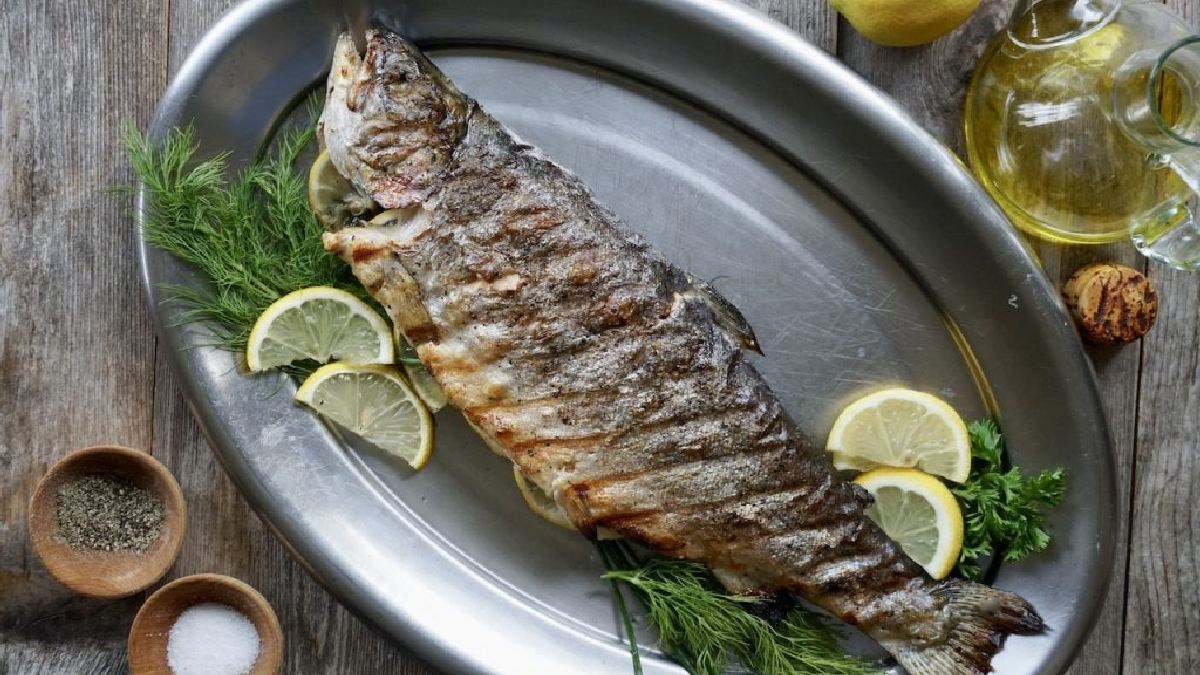
Trout, char, and other trout-like fish accounted for more than half (59.5%) of total fish production in 2025, totaling 9,800 tons. Their production increased slightly by 0.8%, or approximately 70 tons, compared to 2024. The most important species were once again rainbow trout (5,200 tons), salmon trout (2,200 tons), and Arctic char (1,600 tons). Compared to the previous year, rainbow trout production decreased by 230 tons (-4.3%), while salmon trout production increased significantly by 240 tons (+12.4%) and Arctic char production by 120 tons (+8.2%). Salmon trout is not a distinct species but a trade name. It typically refers to particularly large, red-fleshed rainbow trout. Therefore, part of the decline in rainbow trout production is due to the increase in salmon trout.
Another good quarter of fish production (27.6%), amounting to around 4,600 tons, consisted of carp, tench, and other cyprinid fish, a decrease of 4.2% or 200 tons compared to the previous year. Common carp accounted for 91.8% of this total, at 4,200 tons, a decline of 3.3% or 140 tons after an increase the previous year. European eel also plays a significant role in fish production, with a projected 1,200 tons in 2025, representing 7.1% of total production. Production of this species decreased by 1.2% or 14 tons compared to the previous year.