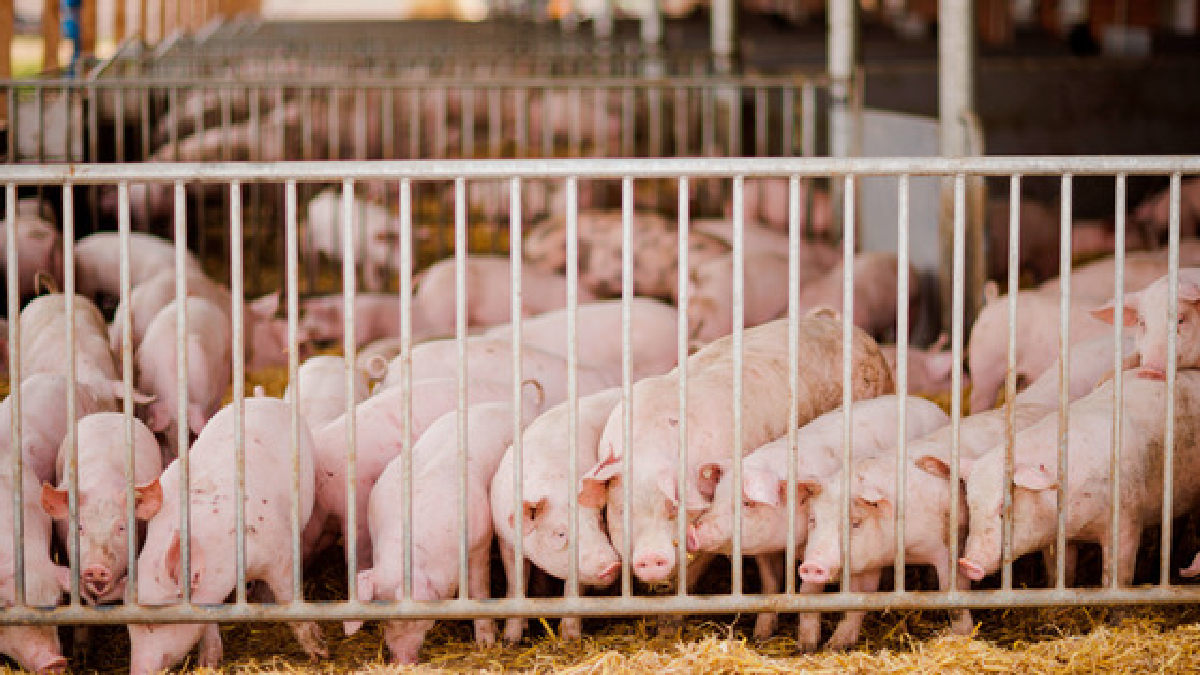
Germany has cleared the path for subsidized emergency loans to support domestic pig farmers and drought-hit forage producers, unlocking a total lending volume of approximately €1.5 billion across its agricultural liquidity programs.
With depressed pork market prices colliding with surging costs for energy, feed, and logistics, many German pig operations are facing acute financial strain. In response, Federal Minister for Agriculture, Food and Community Alois Rainer has secured €50 million in additional federal budget funds to finance interest rate reductions across two targeted support schemes: €25 million for an emergency liquidity program (Liquidity Program III) dedicated to pig farms, and €25 million for a second liquidity program assisting forage farms affected by drought.
Launched jointly by the Federal Ministry of Agriculture, Food and Community (BMLEH) and the Agricultural Pension Bank (Landwirtschaftliche Rentenbank), the new measures bring total available credit across Liquidity Programs I through III to roughly €1.5 billion.
“High costs, low returns: Pig farmers in Germany are under immense pressure. But we are not abandoning them,” Minister Rainer stated. “Together with the Agricultural Pension Bank, we are launching an additional emergency aid program. The current multifactorial crisis must not become a matter of survival for pig farms.”
While emphasizing that short-term liquidity relief is vital to keeping Germany’s domestic pork and food industry competitive, Rainer stressed that public funding alone cannot resolve the crisis, calling on the entire supply chain—from processors and retailers to consumers—to share responsibility.
The BMLEH and the Agricultural Pension Bank are currently finalizing the operational terms of the programs to ensure rapid disbursement, with a detailed implementation roadmap scheduled for release in early December 2026.