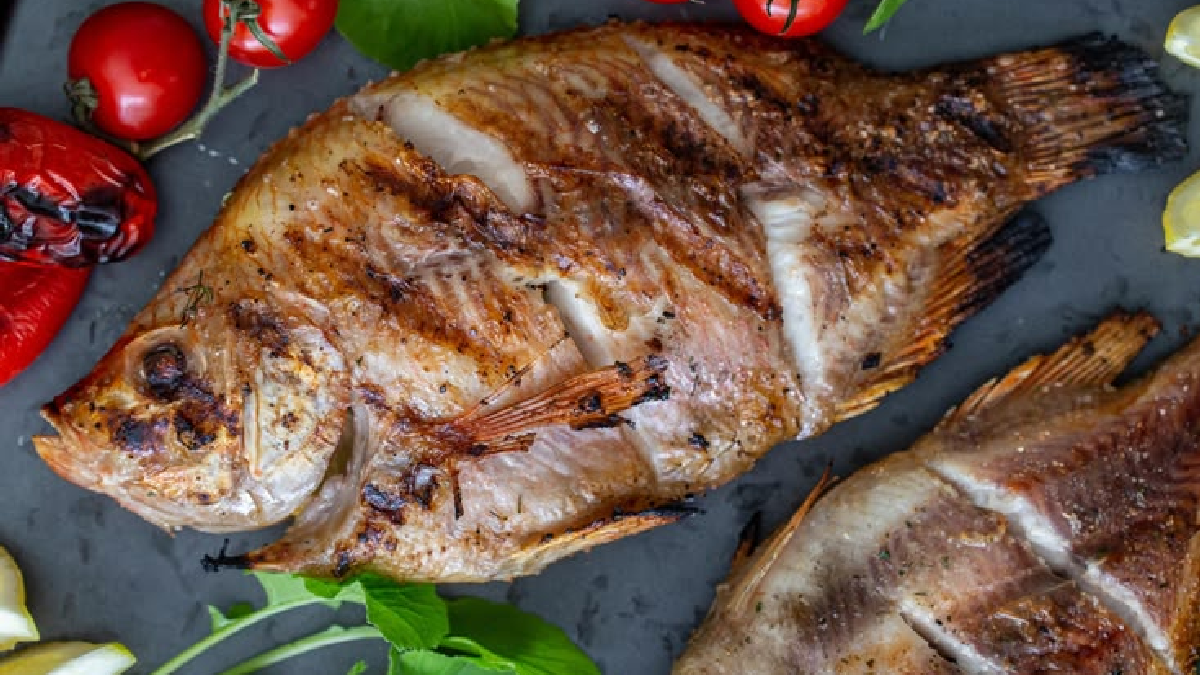
Saudi Arabia accounts for 95% of the Middle Eastern market’s export value and ranks third among Vietnamese tilapia importers, after Brazil and the US.
Exports to this country reached $10 million in the first nine months, a 50% increase. In September alone, exports reached $3 million, a 231% increase, more than three times the same period last year. The growth accelerated significantly in the last month of the quarter: cumulative exports for the first eight months had only reached $7 million, a 23% increase, while August saw a 20% increase. September alone doubled the cumulative growth.
A noteworthy point is the product structure. Saudi Arabia primarily imported whole frozen Vietnamese tilapia (HS code 03032) during the first nine months of 2026. This skew towards whole fish indicates that Saudi Arabian importers prefer purchasing affordable raw materials for processing, filleting, packaging, and redistribution locally, rather than purchasing finished processed products.
This demand stems from consumer habits. Saudi Arabia still imports a large portion of its seafood: its self-sufficiency rate in fish was only 48% in 2023, with per capita consumption at 11.7 kg/year, and a target of 20 kg by 2030. Public health campaigns are gradually shifting the protein intake of Gulf citizens from red meat to seafood. Frozen seafood is favored because the hot climate requires long-term preservation. Frozen seafood is expected to account for 52% of the Middle Eastern seafood market by 2025, and online food delivery platforms offering same-day delivery are making this product category more accessible.
Tilapia is among the species increasingly consumed, along with grouper and ham, due to its nutritional value and ease of preparation. However, the market also faces domestic competition, as the Saudi Arabian Ministry of Environment, Water and Agriculture has been encouraging freshwater tilapia farming since 2018.
The biggest risk lies in transportation. The Strait of Hormuz is virtually closed to container ships, paralyzing the port of Dammam on the Gulf coast. Goods destined for Saudi Arabia are converging on the port of Jeddah on the Red Sea, where import orders have surged since the beginning of the year. This port is overloaded: unloaded goods have to wait 10-12 days before leaving the port. Congestion at Middle Eastern ports has reached record levels, with some shipping lines restricting bookings and imposing emergency surcharges on Gulf routes. Extended delivery times and increased costs for refrigerated container storage are the two main pressures on businesses.
Despite transportation difficulties, exports to Saudi Arabia increased sharply in September, while the US has not yet achieved a sustainable recovery and Brazil still faces many technical barriers. With whole frozen tilapia, competitive pricing and stable raw material demand are advantages for Vietnam in this market. Businesses need to carefully consider delivery times, refrigerated container storage costs, and payment terms to capitalize on this opportunity and make Saudi Arabia a noteworthy diversification destination for Vietnam’s tilapia industry.