Weber supports food producers with technologies for more hygiene and process reliability directly in the line.
Since 1 July 2026, stricter requirements for the handling of Listeria monocytogenes in ready-to-eat foods have been in force in the European Union, enshrined in Regulation (EU) 2024/2895. For manufacturers, this means: Hygiene, monitoring and documentation must be even more consistent. Especially with sensitive ready-to-eat products, it is important to reduce contamination risks at an early stage and to ensure demonstrable food safety throughout the entire process in a verifiable manner. Weber meets these requirements with an interplay of hygienic machine design, professional training and complementary technologies that start directly in the production process. The focus here is not on a single measure, but instead on the targeted interplay of various hygiene-related contributors right down the production line.
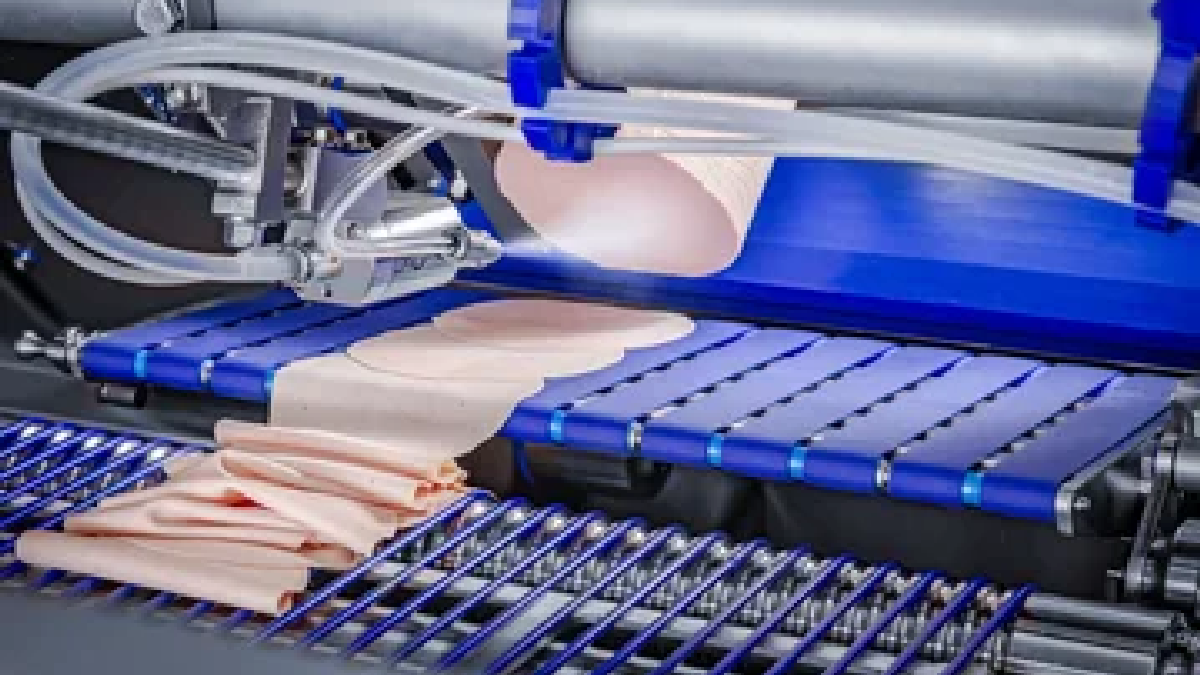
Weber SprayTech is one of these contributors to greater hygiene and safety. With the help of this smart technology, agents that extend shelf-life or that have antibacterial properties can be applied specifically to individual slices or pieces. This is a way to delay the growth of pathogens or even to prevent them. Especially for products that are no longer heated after cutting or portioning, this additional process step can make an important contribution to product safety. Weber SprayTech can be retrofitted flexibly in existing systems. This enables the producers of food products to extend their existing lines in a targeted manner with an additional hygiene barrier without having to restructure their entire production operation.
These optional hygiene features are complemented by the Weber Hygiene Design, which has always been incorporated into the design and manufacture of Weber technology. Open designs, good accessibility and components that can be replaced quickly and without tools make it easier to clean the machines thoroughly. At the same time, this hygiene-compliant design structure reduces the size of areas in which product residue can accumulate. As a consequence, this machine design lays the groundwork for efficient and reliable cleaning processes.
However, technical solutions alone are not enough. The people who plan, execute and supervise these cleaning processes also constitute a decisive factor governing the effectiveness of any hygiene strategy. Therefore, Weber offers professional hygiene training for in-house cleaning staff or external service providers who impart practical knowledge and increase awareness of possible risks in production. Depending on individual needs, these training courses take place directly at the food producer on-site or in the Weber Academy.
This integrated combination of targeted product processing, hygiene-compliant machine design and skilled staff helps food producers to extend the scope of their hygience strategy. In this way, additional hygiene barriers can be integrated into production lines, cleaning processes can be made more efficient, and regulatory and customer requirements can be addressed in a reliable manner.