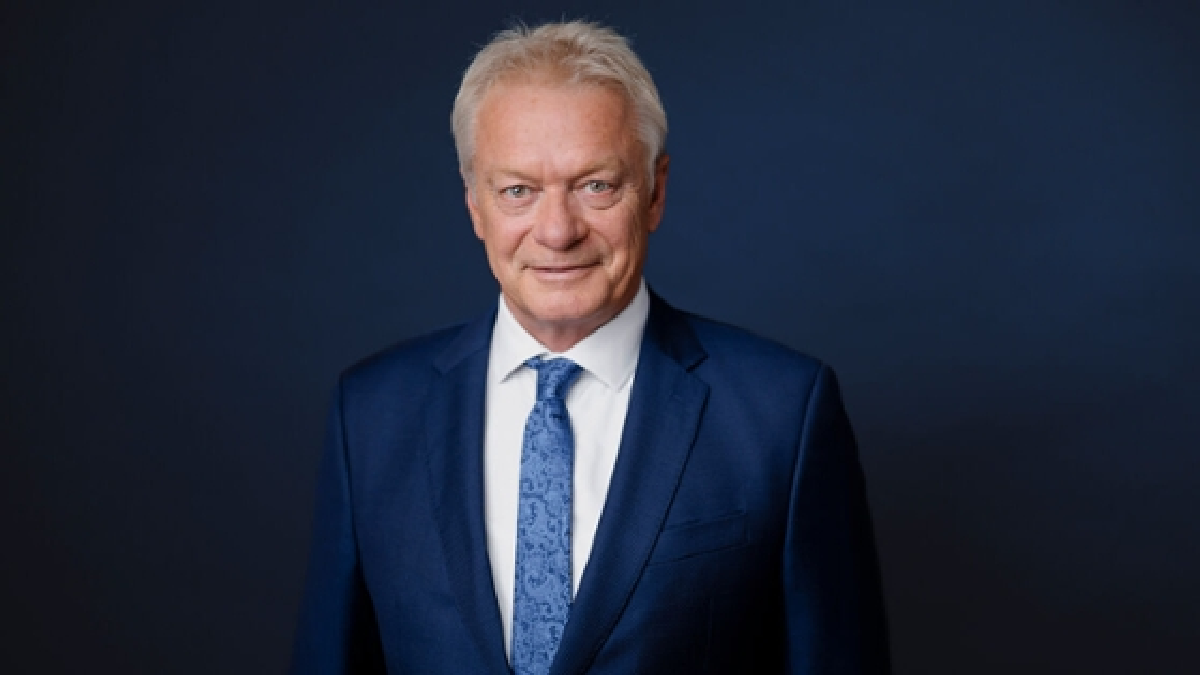
The Federal Minister for Agriculture, Food and Community (BMLEH), Alois Rainer, met with associations from the meat industry and food retail sector for a roundtable discussion on the state of pig farming in Germany. The meeting was prompted by the strained economic situation of many pig farms, caused by low revenues and rising costs. The exchange was open, constructive, and solution-oriented. The meeting concluded with a joint appeal for pork from Germany. The associations expressed strong support for the agricultural export strategy. Among other things, they advocated for further strengthening the “5 times D” principle – meaning born, raised, fattened, slaughtered, and processed in Germany. They also called for the introduction of a tax-based risk equalization reserve.
Federal Minister Rainer: “The economic pressure on pig farmers in Germany is immense. Therefore, it is important to me to address the current challenges together and on equal terms with producers, processors, and marketers. We have already advanced many measures to relieve the burden on farms. We are already in intensive discussions with the Federal Ministry of Finance regarding the risk equalization reserve. But for me, one thing is very clear: if pig farming is to continue in Germany in the future, our pig farmers must once again be able to operate profitably.”
My thanks go to all participants for the open and solution-oriented exchange. We have agreed to jointly strengthen domestic pig farming and value creation in Germany, to further advance the 5 times D initiative, and to avoid additional price pressure at the expense of our pig farmers.
We must work together to make our pig farms economically viable for the future. For policymakers, this means a clear mandate to continue systematically reducing bureaucratic hurdles. My appeal to consumers: When buying pork, consciously choose German origin – ideally from local regions. This will strengthen our domestic farms and the entire value chain in Germany. The situation is serious. Therefore, during the budget negotiations, I will discuss with the relevant rapporteurs in the German Bundestag what additional support measures for the pig sector can be included in the federal budget.
The Federal Ministry of Agriculture, Food and Community (BMLEH) is already working intensively to ensure competitive and sustainable livestock farming in Germany with economically viable farms. Important measures have been and continue to be:
- the reduction of bureaucracy, which Federal Minister Alois Rainer made a top priority,
- The full and permanent reintroduction of the agricultural diesel tax refund – this strengthens the competitiveness of German farms,
- The implementation of the new agricultural export strategy aims to open up new markets for the sector and reopen restricted markets. Initial successes have already been achieved with the regionalization agreement with the Philippines and the preparation of similar agreements with South Africa and China.
- The national special tax regulations, such as the tax smoothing scheme extended until 2028, also benefit animal owners by allowing them to cushion income fluctuations through taxation.
- a special program for liquidity assistance together with the Agricultural Pension Bank to quickly and unbureaucratically support businesses in bridging short-term liquidity gaps,
- the notification of the animal husbandry labelling law in Brussels.
In addition, an EU aid program was decided at European level to provide support in the current challenging situation due to the price increase for fertilizers and energy.