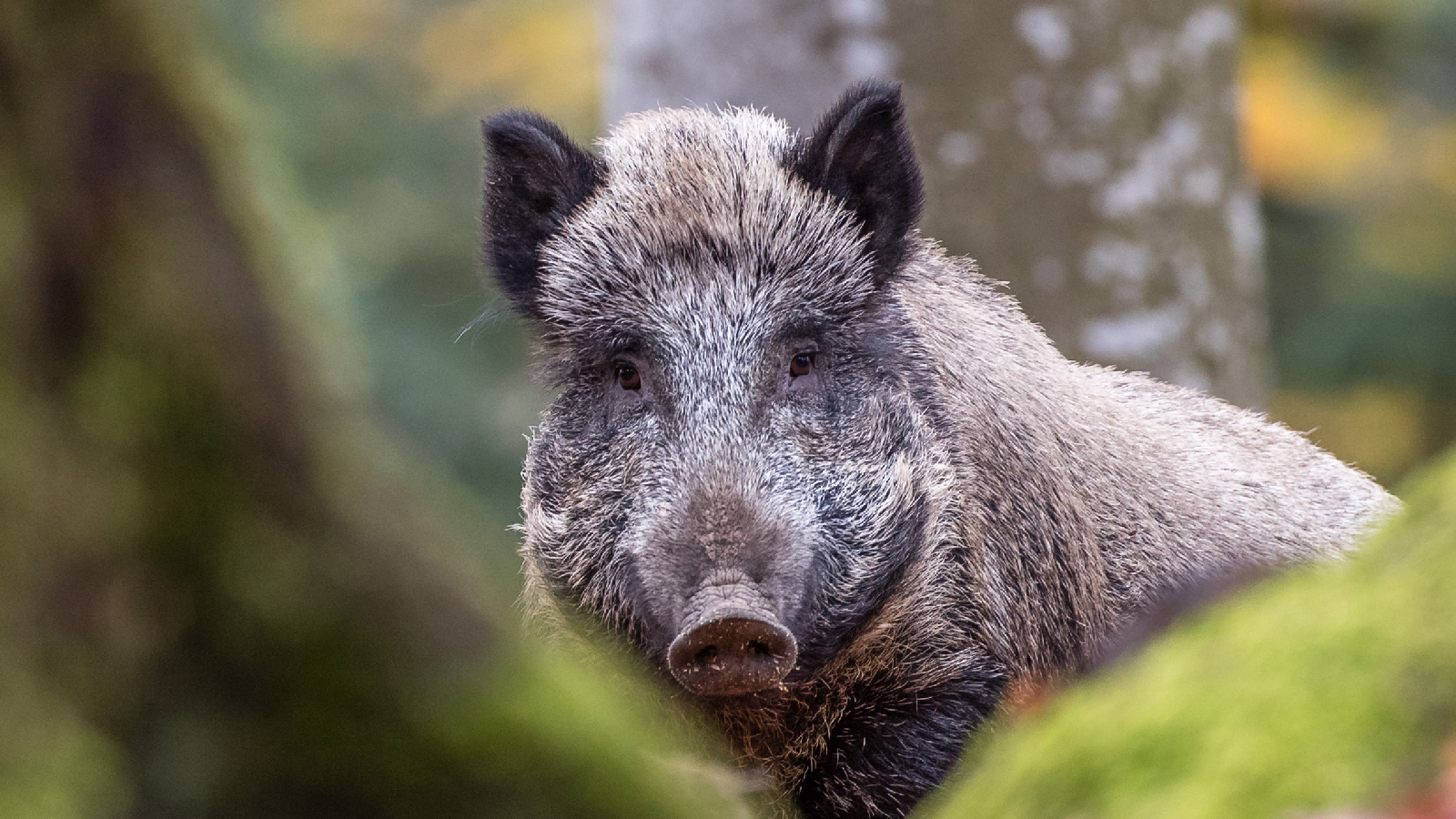
New cases of African swine fever (ASF) have been detected in two wild boars in the Uckermark district after more than a year.
After more than a year without any confirmed cases, African swine fever (ASF) has been confirmed again in two wild boars in the Uckermark district of Brandenburg. Both locations are within the existing restricted zone II of the Uckermark district, in close proximity to the German-Polish border.
Control measures on site have been immediately intensified. The German Pig Producers’ Association (ISN) stated: “Even though these new cases are a bitter setback for local pig farmers, the situation in Germany remains fundamentally unchanged, as both locations are within an existing restricted zone.”
African swine fever (ASF) has been detected in two wild boars in the Uckermark district for the first time in over a year. The Brandenburg Ministry of Agriculture, Environment and Climate Protection announced this finding in a press release this afternoon. The National Reference Laboratory at the Friedrich Loeffler Institute (FLI) has already officially confirmed both cases.
Locations found in the ASF protection corridor near the Polish border
Both locations are within the existing restricted zone II (at-risk area) of the Uckermark district. They lie in the immediate vicinity of the German-Polish border south of Schwedt/Oder, near Stützkow and Neu Galow, and thus within the established ASF protection corridor. Epidemiological investigations are already underway. Due to the proximity to the infected areas in the neighboring country, the ministry currently assumes that the virus was introduced by migrating wild boar from Poland.
The Uckermark district has immediately intensified all necessary control measures and is receiving support from the Brandenburg State Animal Disease Control Service. To determine the exact extent of the current outbreak as quickly as possible, a large-scale, intensified search for dead wild boar is underway around the locations where the infected animals were found. This search includes the use of carcass detection dogs and drone technology. Furthermore, increased hunting and the legally mandated removal of wild boar have been ordered. Pig farmers in the affected region are urged to further strengthen biosecurity measures on their farms.
The head of the state crisis team for combating African swine fever (ASF), State Secretary Dr. Stephan Nickisch, emphasized the reliability of the existing strategy, but at the same time made a clear appeal to the public: The control measures implemented in the ASF-affected districts have proven effective and will continue to be consistently applied. Crucially, however, ASF protective fences must not be damaged and their gates must remain closed.