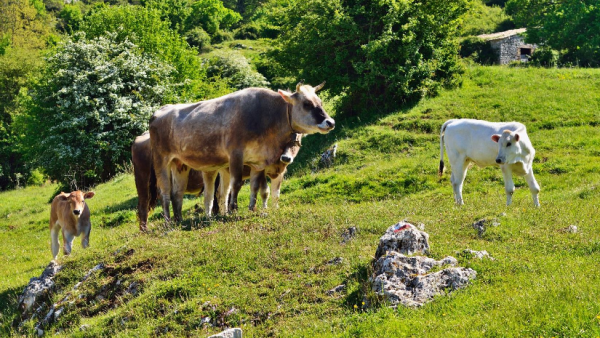
After a quarter of a century being foot-and-mouth disease free, Greece has confirmed its first case in Lesvos. According to the World Organisation for Animal Health, the pathogen was detected at a cattle farm in the Pelopi area, infecting nine out of the 38 head, with 250 sheep at risk as well.
A severe, fast-spreading viral disease that primarily affects cloven-hoofed animals, including cows, pigs, sheep, goats and deer, FMD is one of the most economically devastating and challenging animal diseases to control. Symptoms include fever, blisters on the feet and mouth, loss of appetite, drooling and lameness. Most herds affected are culled, as in the case of the 2001 U.K. FMD outbreak and the loss of more than 10 million animals.
Authorities are working to trace the origin of the outbreak but have raised concerns due to the country’s close proximity with Turkey, where FMD remains endemic.
In February, Cyprus confirmed an outbreak of FMD at a cattle unit in Livadia. According to a report, epidemiological investigations identified two large sheep and goat holdings in Oroklini as the likely epicenter, where laboratory findings indicated the virus had been circulating for at least two weeks before detection. Approximately 260 to 300 cattle at the Livadia farm were culled. Officials noted that sheep and goats may show milder or less obvious clinical signs, and their infection status was being closely monitored.